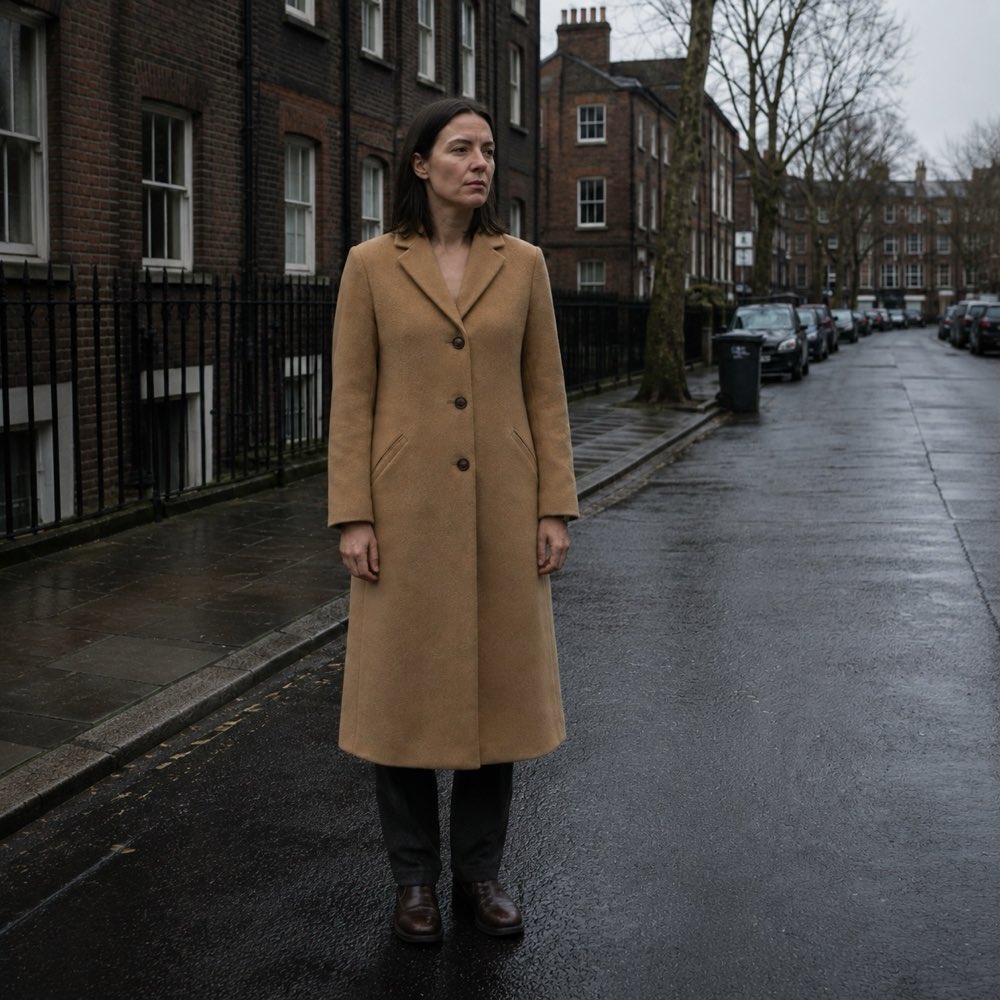
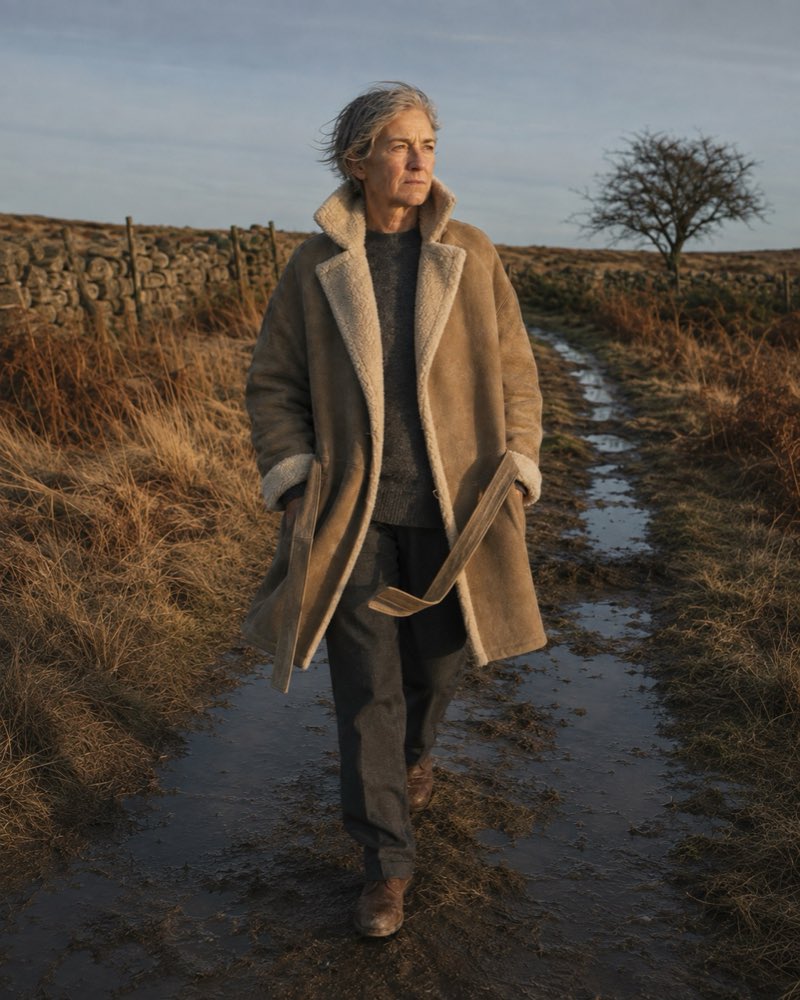
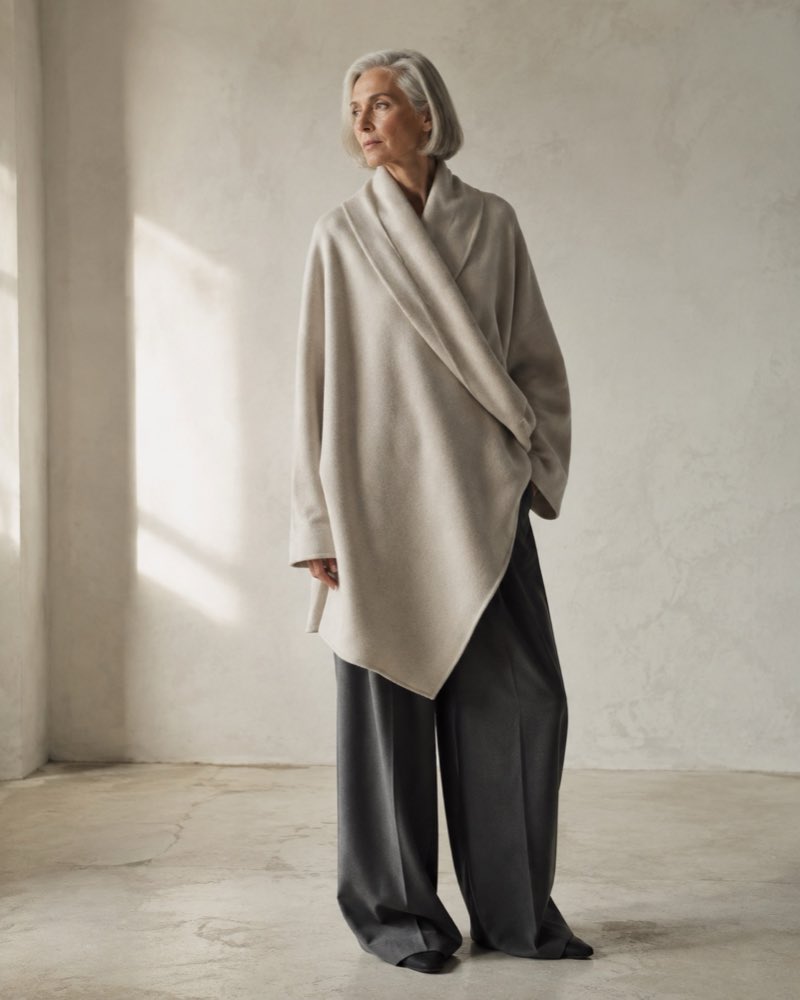
Drift is the reason most AI fashion campaigns look wrong even when every individual image looks right. It happens gradually, and it happens in a predictable order. This is one campaign, six frames, generated in sequence from the same brief.
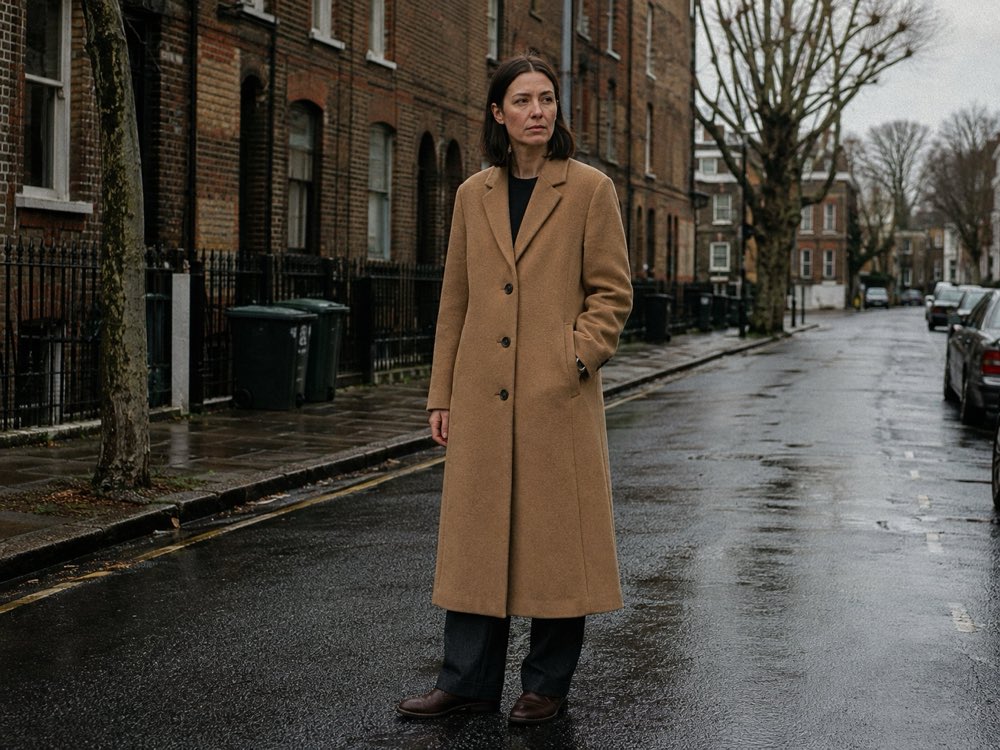
First the garment moves
The lapel width changes. Nothing else does. On its own the second frame is a perfectly good image, which is why this is so hard to catch — you are comparing against memory rather than against the baseline.
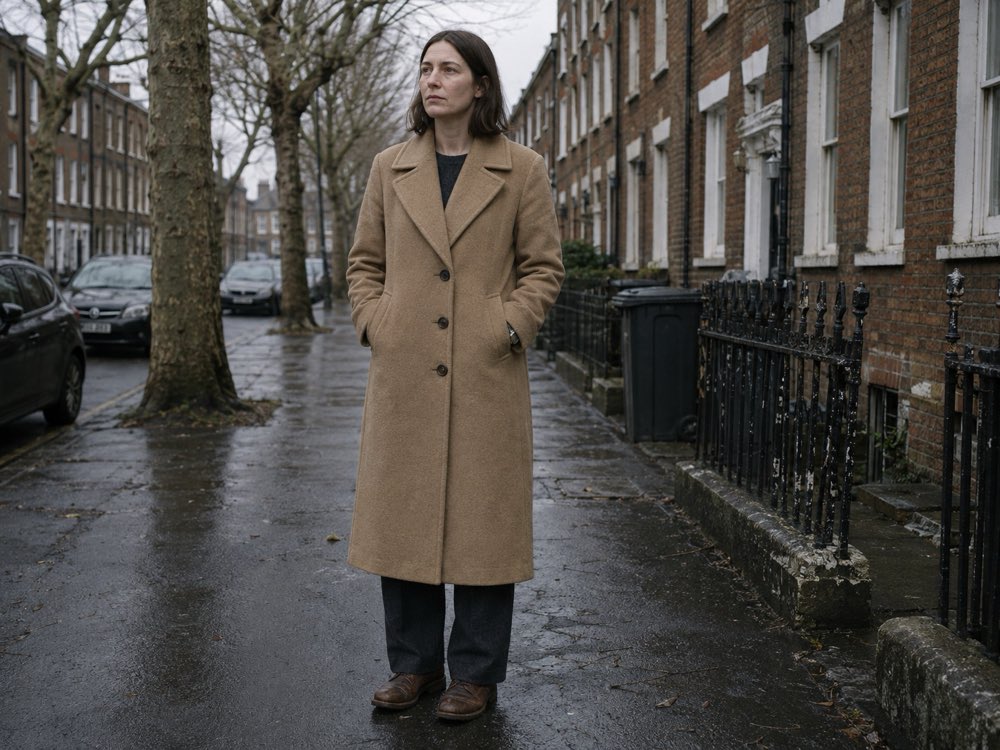
Then the face
Facial drift is the most damaging kind because viewers detect it instantly without being able to name it. The set stops reading as one person, and therefore stops reading as one campaign.
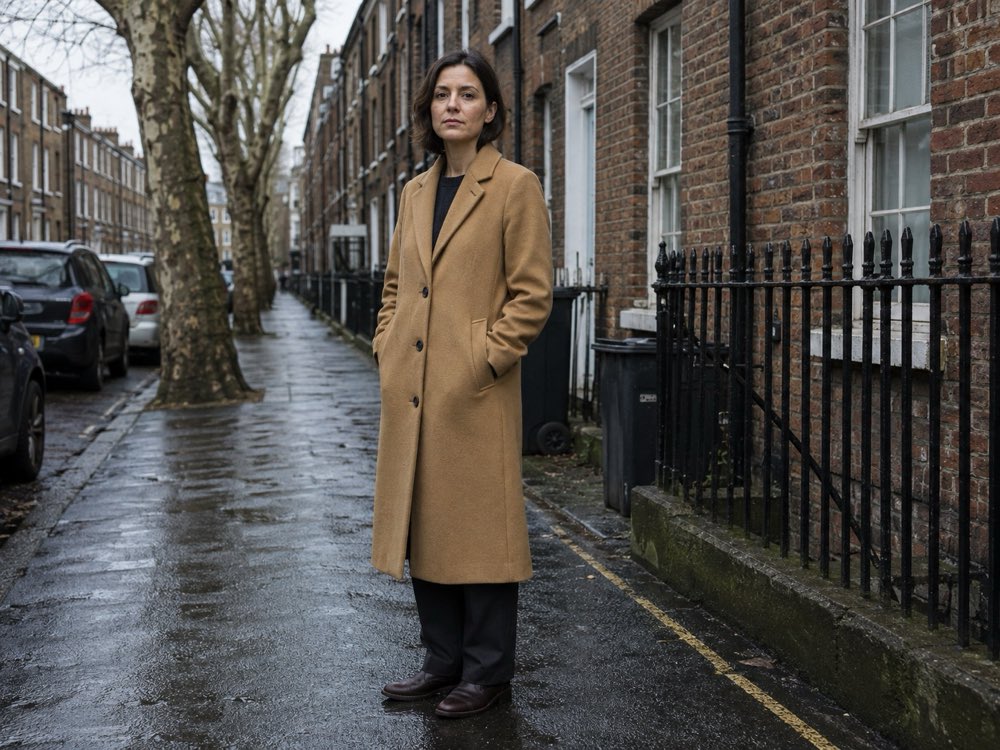
Then the light, then the world
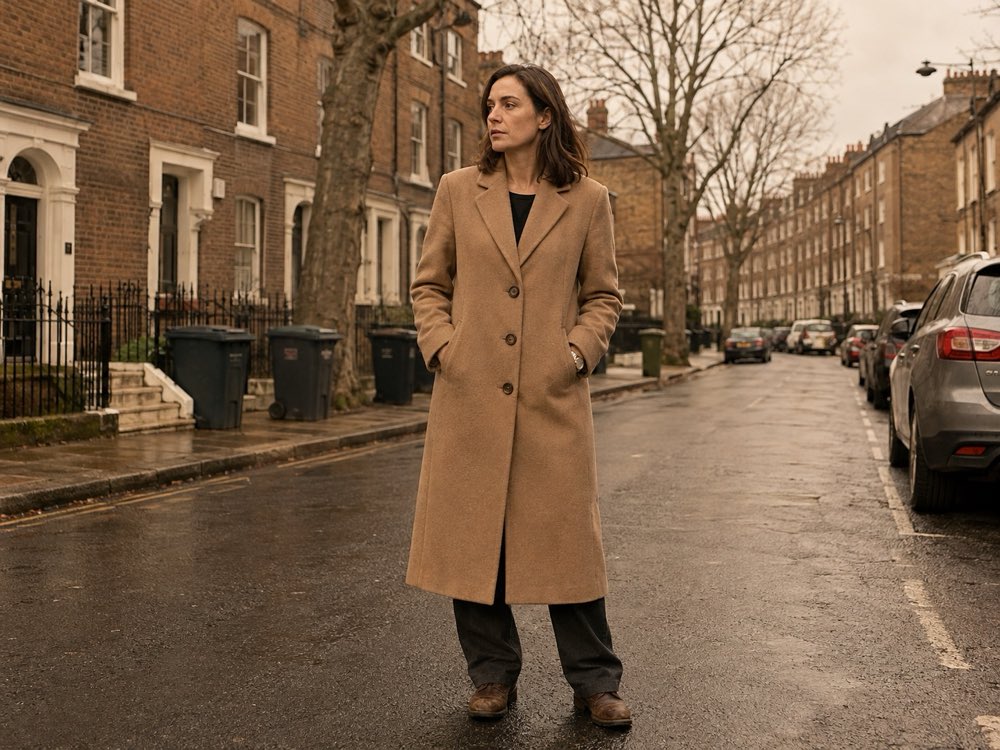
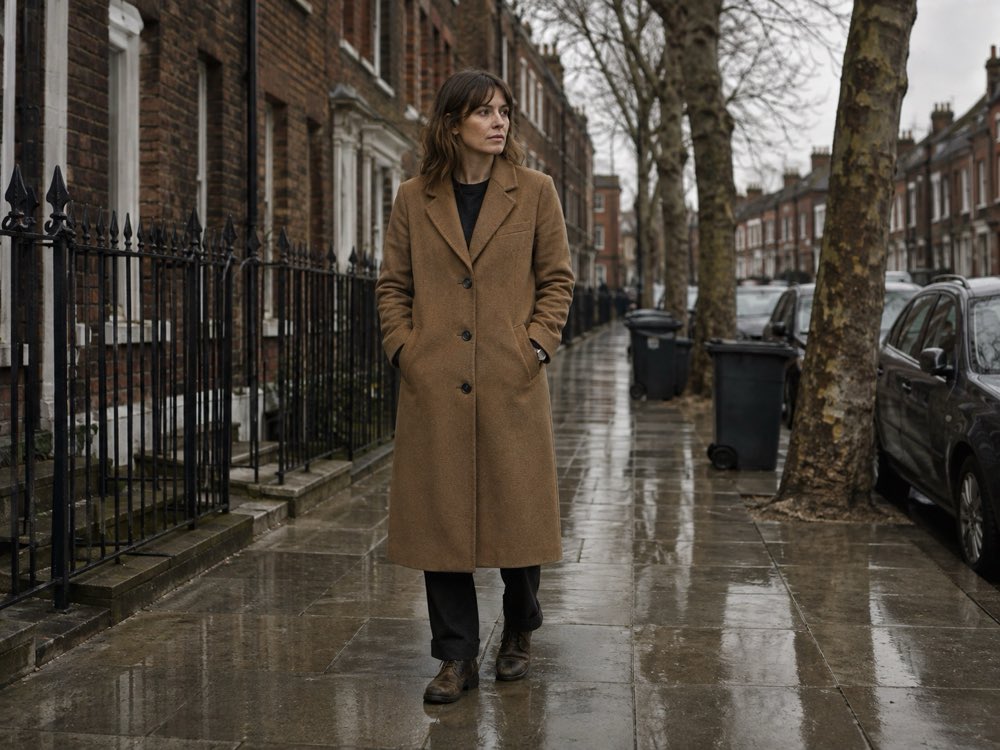
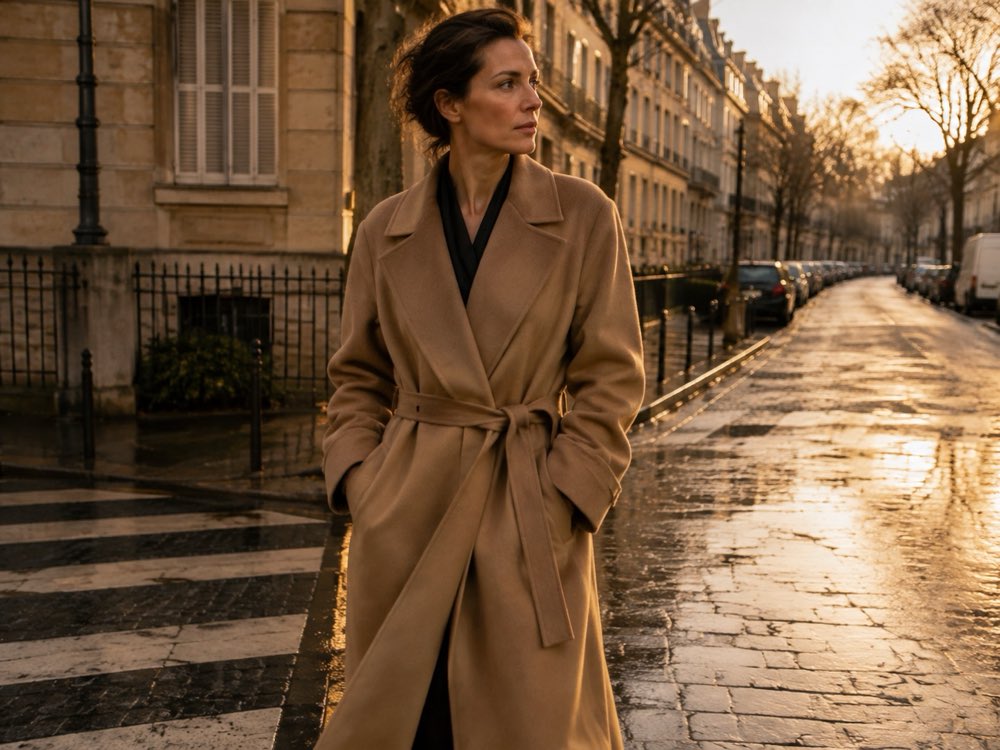
By frame six nothing links back to frame one. Every image in this sequence would pass a casual look. As a set they are unusable, and no amount of retouching recovers them, because the problem was never in any single frame.
What fixes it
- Declare what is constant before you generate anything: garment geometry, face, light direction, world.
- Give every constant a written description you can re-read, not a mental picture.
- Audit against the baseline frame, never against the previous frame.
- Correct drift the moment you see it. Drift compounds; it does not average out.
The single most useful habit: keep frame one open on a second screen while you review frame twelve.