Taste does not scale and it does not survive a deadline. A scorecard does. This is the short version of the rubric our grader runs.
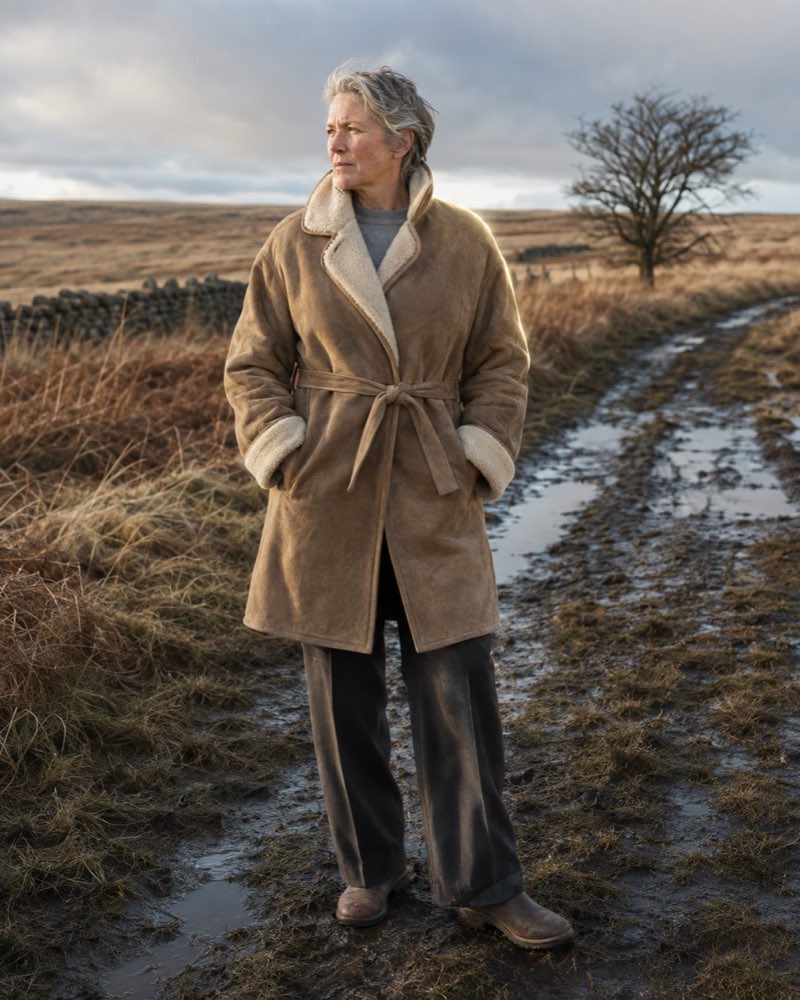
Score each category out of ten
- Shot role clarity — can you name the job this frame does?
- Campaign coherence — does it belong with the others?
- Garment fidelity — is it the actual product?
- Material realism — does the fabric behave?
- Human realism and casting — a person, or a composite?
- Pose and body direction — directed, or defaulted?
- Lighting logic — one physically possible light story?
- Camera and lens believability — does the optics story hold?
- Environment logic — does the place make sense?
- Physical interaction — does anything touch anything?
- Styling hierarchy — is there a focal point?
- Commercial usability — can it be placed?
- AI artifact risk — hands, text, edges, repeats.
Then apply the vetoes
Some failures are not averaged away. If the garment is wrong, the frame is capped regardless of how good the rest is. The same goes for a major artifact, an incoherent set, and impossible lighting. Your final score is the lower of the weighted average and the lowest triggered cap.
Scores of eight or higher require visible evidence. Good-but-generic should not clear seven.
Read the number honestly
- 0–44: pretty but unstable.
- 45–69: promising but inconsistent.
- 70–84: campaign-grade candidate.
- 85–100: client-ready candidate.
You can run this scorecard on your own work in about four minutes a frame. Or upload the set to the grader and have it done against the full rubric.